
Analysis of the impact of the No. 1 Central Document of 2025 on the fertilizer industry and its future development direction
2025-02-27
Author:
Views:
The 2025 Central No. 1 document addresses key issues surrounding high-quality agricultural development, arable land protection, food security, and ecological governance, outlining a series of policy measures. As a critical component of agricultural production, the fertilizer industry faces new opportunities and challenges driven by these policies. This article analyzes the fertilizer industry's transformation and the adaptive strategies for agricultural input professionals, in light of the document's content.
I. Policy Background: Agricultural Transformation Forces Fertilizer Industry Upgrade
The document explicitly mandates "promoting integrated water and fertilizer management," "strengthening arable land fertility protection," and "governing soil pollution." These requirements reflect three core objectives of agricultural development:
1. Resource Efficiency: Reducing resource waste and improving production efficiency through precision fertilization and water-fertilizer integration technologies;
2. Green Production: Curbing arable land pollution and promoting sustainable agricultural development;
3. High-Quality Products: Supporting seed industry revitalization and the development of new foods, forcing agricultural production materials to improve quality and efficiency.
Against this backdrop, the fertilizer industry needs to transform from traditional "extensive supply" to "precision, functional, and green" directions.
II. Direct Impact and Challenges on the Fertilizer Industry
1. Changes in Demand Structure: High-Efficiency Fertilizers Welcome Growth Window
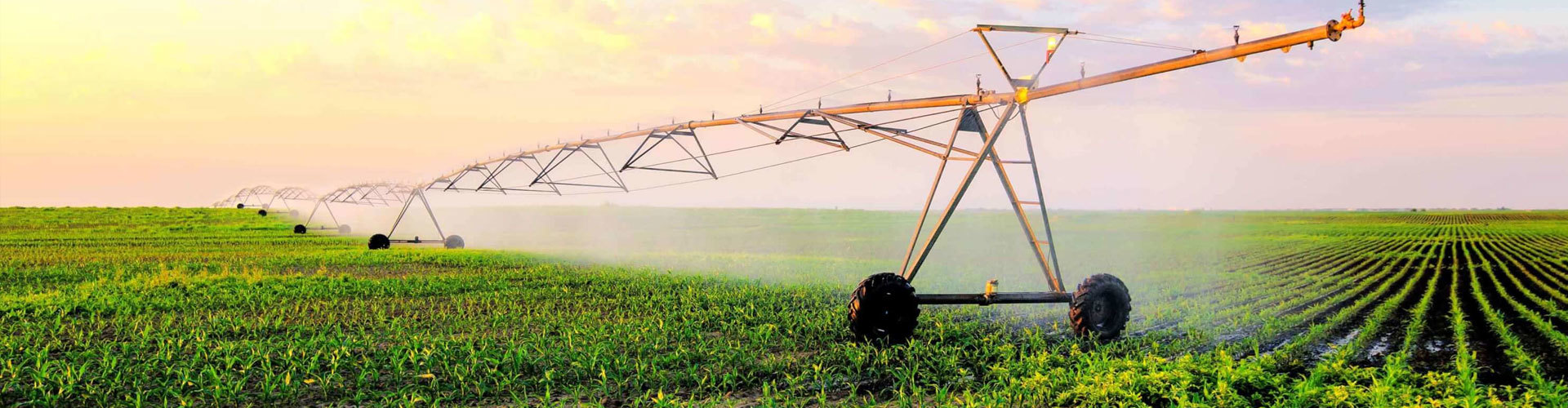
The document emphasizes the "promotion of water-fertilizer integration," which will drive a surge in demand for high-efficiency fertilizers such as liquid fertilizers, water-soluble fertilizers, and controlled-release fertilizers. Traditional compound fertilizers may face market compression, while products with water and fertilizer-saving characteristics will become mainstream.
The governance of saline-alkali land and the restoration of acidified soil have created a demand for functional fertilizers, such as soil conditioners and organic-inorganic compound fertilizers.
2. Environmental Pressure Forces Technological Upgrades
The document requires "strengthening the traceability and remediation of heavy metal pollution in agricultural land," putting higher demands on pollution control in fertilizer production (such as heavy metal content and phosphogypsum treatment). Enterprises need to increase environmental protection investment and develop new low-pollution and biodegradable fertilizers.
3. Policy Subsidies Guide Market Direction
Minimum purchase price policies for staple grains like rice and wheat will incentivize farmers to prioritize planting costs and returns. Fertilizers offering high cost-effectiveness and reliable results will be more competitive. Meanwhile, "arable land fertility protection subsidies" may favor farmers using organic or ecological fertilizers.
4. The Rise of Biological Agriculture Brings Cross-border Competition
The document proposes "cultivating biological agriculture." Microbial fertilizers and biostimulants may form a complementary or even substitute relationship with traditional chemical fertilizers, and the industry competition pattern is facing restructuring.

Scan us with WeChat


Customer Service Hotline
Address: No. 17, Shantou Street, Yantai Economic and Technological Development Zone
Tel: +86-535-6269608 (Development Zone)
Franchise Hotline: +86-18854561349 (Wang Yingjie)
Expert Hotline: +86-13605358383 (Chu Guodong)
Sales Hotline: +86-13864517298 (Zhang Hongguo)


Message Consultation