
Because it's too low-key, it has become the most underestimated nutrient element in China's fertilizer industry!
2024-07-30
Author:
Views:
I. Introduction to Silicon as a Plant Nutrient Element
As early as 1804, scientists discovered the presence of silicon in plants. In the book "Plant Nutrition," silicon is classified as a beneficial element for plants, and it is an essential nutrient element for gramineous crops such as rice.
Silicon in soil is mainly present in the soil matrix and soil solution, or adsorbed on the surface of soil colloids. In the soil solution, silicon mainly exists in the form of monosilicic acid (H 4 SiO 4 ), namely Si(OH) 4 4. The content of available silicon in soil is usually used as an indicator to measure the silicon-supplying capacity of soil. It is affected by climatic conditions, soil pH, parent material, soil clay, application of organic fertilizers, soil moisture, and soil temperature.
Studies have found that the main forms of silicon in plants are silicic acid (SiO 2 ·nH 2 O) and polysilicic acid, followed by colloidal silicic acid and free monosilicic acid [Si (OH) 4]。
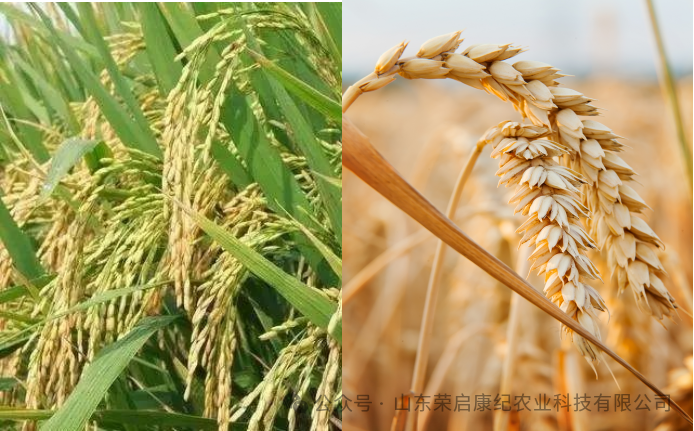
It is currently believed that the silicon content of cultivated crops can be divided into three categories: : One is plants with very high silicon content, ranging from 5% to 20%, such as rice; Two is plants with moderate silicon content, ranging from 2% to 4%, such as wheat, barley, and oats; Three is plants with very low silicon content, below 1%, such as legumes and dicotyledonous plants. According to the research by Thiagalingam et al. on 22 plants including legumes and cereals, the order of silicon content in plants is: Cereals > Forage > Vegetables > Fruit trees > Legumes In addition to the above differences in plant species, the silicon content in plants is also affected by various factors such as plant parts, growth stage, cultivation methods, and environmental conditions. The distribution of silicon in plants is uneven.
II. Current Status and Suggestions for the Agricultural Application of Silicon
2.1 Agricultural demand for silicon fertilizer 的需求
Relevant scholars believe that the progress of silicon fertilizer research in China has been slow, mainly because the promotion and application of nitrogen, phosphorus, and potassium fertilizers are later than in other countries. The content of available silicon in the middle and lower reaches of the Yellow River, Huaihe River, and Yangtze River basins is below ten parts per million, which is lower than that in rivers in countries such as Japan, the Philippines, and South Korea, where silicon fertilizers have been widely used. Sampling measurements of large areas of silicon-deficient land in China show that 50%, or about 1 billion mu (approximately 66.7 million hectares), of cultivated land is deficient in silicon. In addition, the "National Soil Pollution Status Investigation Bulletin" jointly issued by the Ministry of Environmental Protection and the Ministry of Land and Resources shows that the overall point exceedance rate of soil pollution nationwide is 16.1%, and the overall situation of cultivated land is not optimistic, with serious soil pollution in some areas. The point exceedance rate of cultivated land is 19.4%, the exceedance rate of cadmium in soil is 7.0%, and the proportion of severely polluted points of cadmium in soil is 0.5%. The quality of the soil environment is worrying. Increasing the research, promotion, and application of silicon fertilizers can improve various indicators of polluted land. 30 to 35 million tons of silicon fertilizer are needed annually, with a market capacity of 50 to 100 billion yuan.
2.2 Silicon fertilizer is "low-key," requiring agricultural chemical service promotion
Because silicon is an "inactive molecule," it can maintain its fertilizer effect for a long time. However, precisely because of its "inactivity," even if silicon fertilizer is applied around the roots of crops, it is not easy to enter the rhizosphere. Different fertilization methods should be selected according to the crop and soil. Based on the actual situation in China, the national soil testing and formula application has included the lack of silicon dioxide as a technical standard.
At present, China's agricultural chemical service level is relatively backward. Most agricultural chemical service workers focus on nitrogen, phosphorus, potassium, zinc, calcium, and boron. Because the lack of these elements will be clearly manifested in the leaves, flowers, and fruits of plants, the lack of silicon symptoms is relatively "low-key," leading many agricultural chemical service personnel to believe that only rice needs silicon, and other crops do not need additional supplementation. In fact, most crops need silicon during their growth process.
2.3 Silicon fertilizer has a low origin and no "household registration"
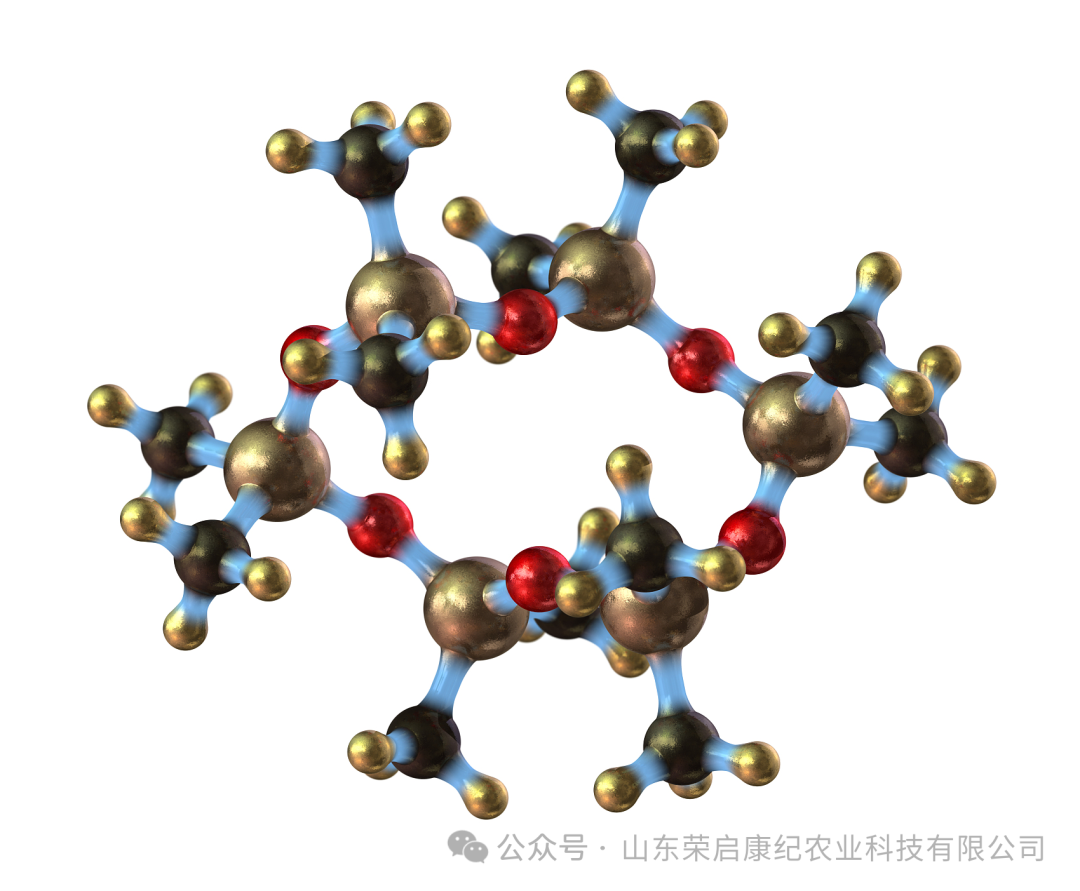
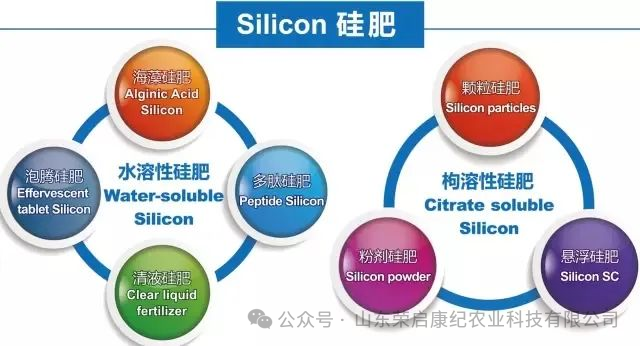
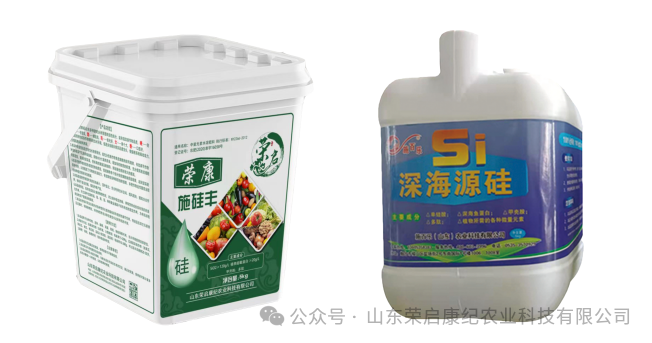
In the eyes of many people, silicon-containing fertilizers are "burned" from the waste residue of phosphate chemical industry or silicon ore, and mineral stones, such as slag, quenched iron slag, yellow phosphorus electric furnace slag, and fly ash, are "ground" out. Japan and South Korea attach great importance to the application of silicon fertilizer. They import silicon-containing fertilizers such as calcium magnesium phosphate fertilizer from China and have also developed various water-soluble silicon fertilizers. For example, referring to Japanese standards for calcium magnesium phosphate fertilizer, in addition to specifying the content of P 2 O 5 content, it also indicates the content of available MgO, available SiO 2 and alkalinity. Even with the name "silicon fertilizer," it can now be said to be improperly named and not officially registered with the national administration for industry and commerce. Silicon fertilizer is currently in a state of having no "household registration." The liquid silicon fertilizer produced by Shandong Rongqi Kangji Agricultural Technology Co., Ltd. has been registered with the Ministry of Agriculture of China and obtained a nationally recognized fertilizer registration certificate.
2.4 The scientific application of silicon fertilizer can bring out its value
(1) Control the dosage and apply silicon appropriately There is a “critical value” for silicon fertilizer application. Studies have shown that appropriate application of silicon can significantly promote tomato growth, with the best effect at a silicon concentration of 1.2 mmol/L. However, further increasing the silicon concentration to 1.8 mmol/L inhibits tomato growth. The soil's silicon supply capacity is an important basis for determining whether to apply silicon fertilizer. The greater the degree of silicon deficiency in the soil, the better the effect of fertilizer application on yield increase. The amount of silicon fertilizer applied should be determined based on the content of effective silicon in the soil and the content of water-soluble silicon in the silicon fertilizer in different plots. More fertilizer can be applied to soils with severe silicon deficiency, while less should be applied to soils with mild silicon deficiency.
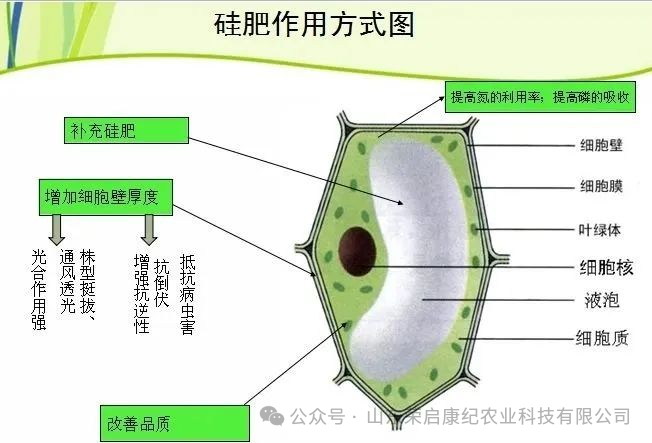
(2) Combined application with nitrogen, phosphorus, and potassium, synergistic effect Guo Bin et al. found that the increase in the number of effective panicles, yield, and the content of nitrogen, phosphorus, potassium, and silicon nutrients in rice with the combined application of nitrogen and silicon fertilizers was higher than that with the single application of nitrogen or silicon fertilizer. Jiang Li Geng et al. showed that there was a highly significant correlation between nitrogen accumulation and silicon accumulation in rice with the combined application of nitrogen and silicon fertilizers. This is possibly because silicon application can promote rice's absorption of nitrogen, improve the plant's nutritional status, increase the accumulation of substances in the aboveground part, and thus increase yield. Therefore, it is recommended that foliar fertilization with silicon-containing fertilizers should be supplemented with nitrogen fertilizer or the application of silicon-containing compound water-soluble fertilizers for better results.
(3) Find the right time to provide timely support Crops have a “nutritional critical period” and a “nutritional maximum efficiency period” for the absorption and demand of various elements. The “nutritional critical period” is generally in the seedling stage, where the required nutrient amount is low, but a lack of nutrients will severely hinder crop growth. The “nutritional maximum efficiency period” is generally the period when the crop grows most vigorously, requiring and absorbing the most nutrients. If the crop's nutrient needs are met in time, the yield increase will be very significant. The crop's demand for silicon also follows this rule. For example, in rice production, it should be applied before rice heading. Therefore, we should find the key period of crop's silicon demand and apply silicon fertilizer in time to achieve high efficiency with low application.

Scan us with WeChat


Customer Service Hotline
Address: No. 17, Shantou Street, Yantai Economic and Technological Development Zone
Tel: +86-535-6269608 (Development Zone)
Franchise Hotline: +86-18854561349 (Wang Yingjie)
Expert Hotline: +86-13605358383 (Chu Guodong)
Sales Hotline: +86-13864517298 (Zhang Hongguo)


Message Consultation